
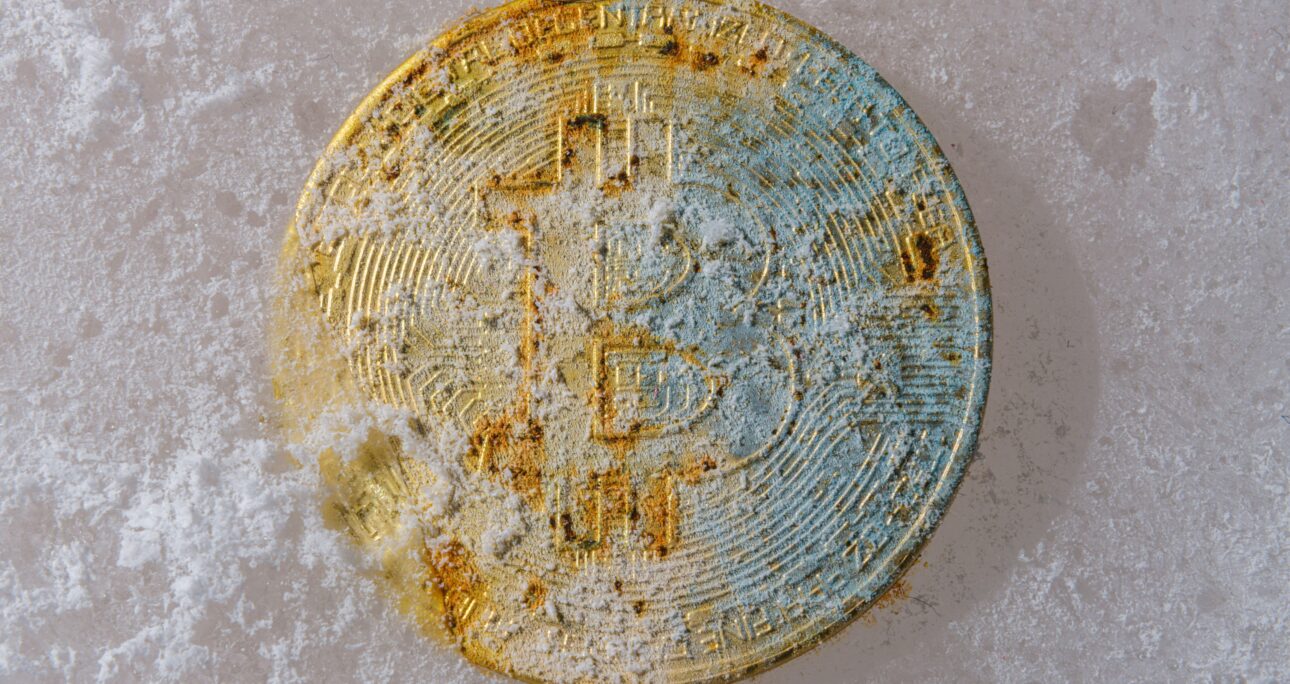
It’s March 2009. You saw a random post online that says you can claim free Bitcoins. But you? You’re curious enough to try and hit “download.” You’re now the proud owner of a few hundred coins… worth absolutely nothing. For now.
Back to reality. Honestly, most people were afraid, just like you and me would be if someone told us to put our savings into a new kind of “digital money.” Before crypto, scams that looked similar had burned investors and even drawn government crackdowns. It felt risky, strange, and almost too good to be true.
It’s safe to say that only a few truly believed in crypto from day one. The rest? They needed someone to show them it was real.
The Brief History of Crypto Marketing
Bitcoin, almost 16 years ago, cost less than a cup of coffee, and “alt-coins” didn’t even exist. Satoshi Nakamoto (said to be the person behind developing Bitcoin) published a white paper on the cryptocurrency mailing list. The thesis white paper explained the structure of the Bitcoin network and introduced Bitcoin as a digital currency to the world.
In those early years, there were no ads, no PR teams, and no flashy websites. Marketing happened in quiet corners of the internet: Bitcointalk forums, IRC chats, and early Reddit threads. The “target audience” wasn’t investors; it was anyone who could write code, run software, and experiment with mining. Not to mention, the idea of a government crackdown was still lying on the side.
Bitcoin was not sold as a product; it was shared as an idea.
Why Some Got Bitcoin So Cheap
Back then, buying or mining Bitcoin was easy, but believing in it wasn’t. With just a regular laptop CPU, you could mine hundreds of coins a day, yet they were almost worthless. In simpler terms, value didn’t exist yet because nobody agreed it had value. There were no exchanges, no buyers, and the idea of digital currency was totally untested.
The mainstream media barely noticed it, and there was no “Coinbase” or “Binance.” Most mocked it as “nerd money,” too strange to trust and too risky to try.
The First Wave of Crypto Marketing
Everything changed in 2010, the moment Bitcoin bought its first slice of reality. A programmer traded 10,000 BTC for two pizzas, worth maybe $10 or $20 at the time. That simple exchange created a story. And stories, as we know, sell.
By 2013, Bitcoin had broken into headlines around the world. Startups started building wallets and exchanges. Marketing started to look more like we know it today, i.e., YouTube explainers, blog guides, and digital how-tos for a curious new audience.
But hype cuts both ways. For every groundbreaking project, dozens of scams between 2014-2018 on Telegram mostly appeared, and copycats appeared. Telegram groups grabbed people’s attention with “get in early tokens,” promising to change their lives overnight. It was the early version of the meme-coin mania we see today, for people to make up for the bitcoins they didn’t trust.
It got so wild that major platforms like Google and Facebook banned crypto ads for a time until they could think about what to do.
Lessons from Crypto’s Marketing Journey
Timing played a massive role, too. By the time most people felt comfortable, the price of one bitcoin moved from cents to thousands of dollars. When you’re hearing about something for the first time on forums, it’s hard to believe it’ll one day change the world, doesn’t mean it can’t.
That’s true for marketing, too. The best crypto campaigns have never been about hype; they’ve been about belief and storytelling.
The history of crypto is really a story about people: those who believed early and changed their lives, and those who didn’t and now wish they had.
So ask yourself: have you ever trusted something before the world did, and watched it become your best decision ever?